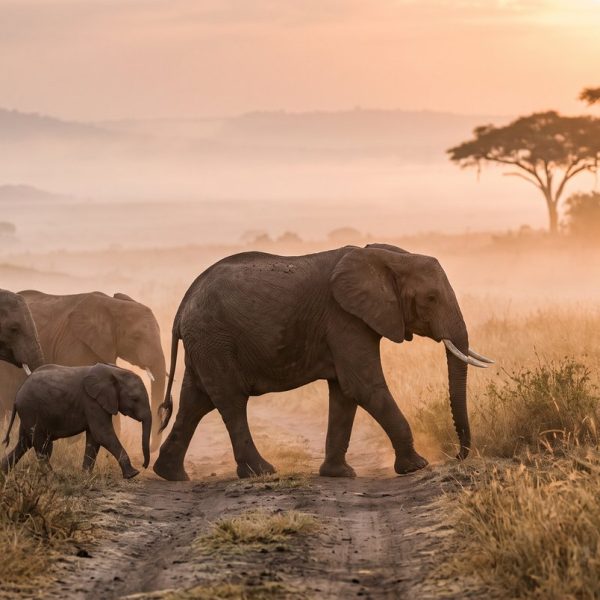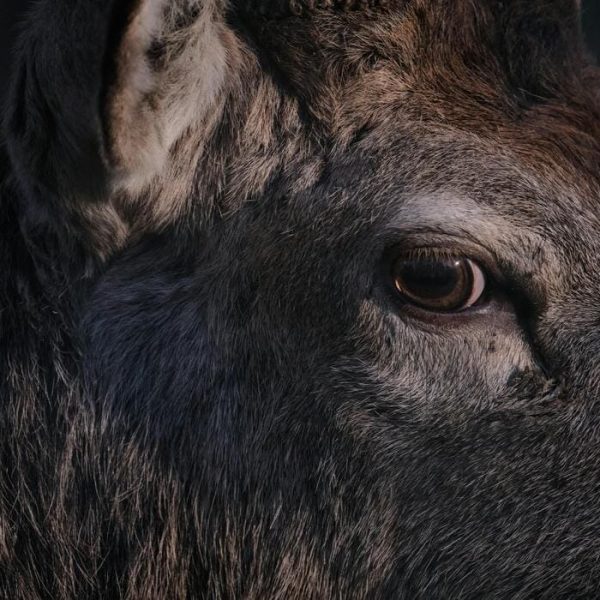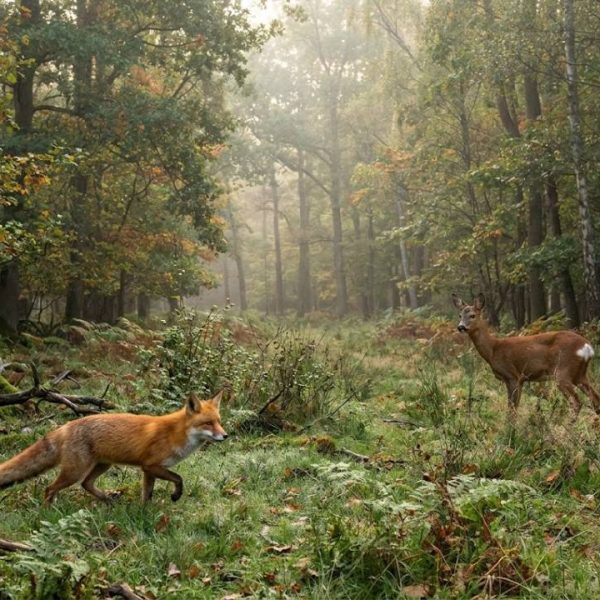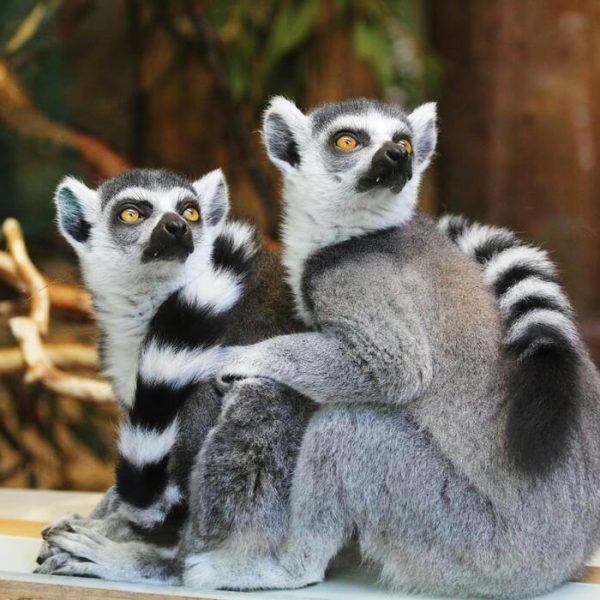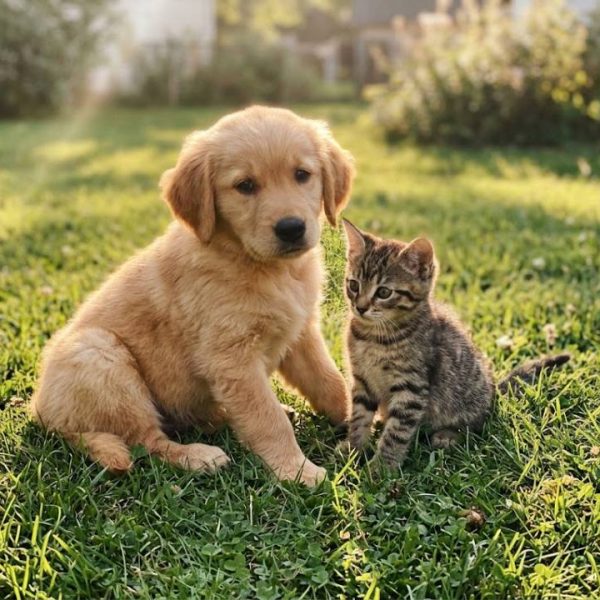
Animals teach without saying a word. A dog waiting at the door, a cat basking in a patch of sun and a bird singing at dawn all show habits that people often forget. You do not need a safari or a farm to notice them, because a single day of careful watching is enough.
This article collects simple lessons from pets and wildlife, and also looks at how to turn that inspiration into responsible action.
Patience Is a Daily Skill
A cat can watch a window for an hour without losing interest. Wild animals wait quietly for food, shelter and the right moment to move.
Try copying that calm during your own day. Patience is a skill that grows with practice, and it makes stressful moments much easier to handle.
Routine Brings Comfort
Pets thrive on regular meals, walks and rest. Predictable habits make them feel safe, and the same applies to people.
Set a few anchor times for your day, such as a morning walk or an evening break. Small routines reduce worry and free energy for bigger tasks.
Play Keeps Everyone Healthy
Puppies chase balls, otters slide down muddy banks and young birds chase each other for fun. Play builds strength, trust and joy at the same time.
Adults need it too. Ten minutes of real play, with a pet or a friend, can lift the mood of a whole afternoon.
Listen Before You React
Animals read body language, sounds and smells before they act. They notice a change in the wind long before a person does.
When a conversation becomes tense, pause and watch what the other person is really saying. Careful listening prevents many unnecessary arguments.
Respect Wild Spaces
Wildlife needs room to feed, rest and raise young. Staying on marked paths, keeping a safe distance and taking all litter home protect fragile habitats.
Large organisations such as World Wildlife Fund explain how small personal choices add up to real protection for species and ecosystems.
Care for Pets Responsibly
A pet depends on you for food, exercise, medical care and affection. Regular check-ups, proper identification and a safe home are the basics of responsible ownership.
Plan ahead for holidays and emergencies so that your animal is never left without help.
Learn the Local Wildlife Where You Live
Even a city park is home to birds, insects and small mammals. A simple notebook of what you see each week turns an ordinary walk into a small science project.
Children enjoy this activity, and it builds respect for living things from an early age.
Volunteer With Conservation Projects
Many people dream of helping animals abroad, from sea turtle beaches to national parks in East Africa. Volunteering can be rewarding when projects are well run and ethical.
Research the organisation, ask how funds are used and check what training you will receive before you commit your time.
Prepare the Paperwork for Work Abroad
Projects in other countries often ask volunteers for ID copies, health records and a police certificate. If your project is in Tanzania or Kenya, a careful english to swahili translation of supporting documents helps local officers read your papers without delay.
Start early, because each office has its own timing and requirements.
Understand Background Checks
Working with animals, children or protected areas may require proof that you have no criminal record. This document is usually issued by your local police and may need an official translation.
Read more about police clearance translation so that you know what stamps, dates and formats the receiving office expects.
Never Take Wild Animals Home
A baby animal alone is not always abandoned, and removing it can cause real harm. Wild animals also carry diseases and have needs that most homes cannot meet.
If you find an animal in trouble, call a licensed rescue centre and follow its advice.
Feed Wildlife Wisely
Feeding wild animals can change their behaviour and make them dependent on humans. It may also lead to conflicts and accidents.
Support them instead by planting native flowers, keeping fresh water available and leaving some quiet corners in your garden.
Teach Children to Be Kind
Children learn from what they see. Let them help feed a pet, plant a bush for bees or clean a local trail.
Early experiences with animals build empathy that lasts a lifetime.
Share What You Learn
Talk to friends, post photos with careful captions and join local nature groups. Shared knowledge protects animals faster than any single person can.
Always respect the animals in your pictures, and never encourage risky behaviour for a better shot.
Watch Animals Without Disturbing Them
Binoculars, a quiet step and a little patience let you enjoy wildlife from a respectful distance. Avoid flash photography and loud noises, and never block an animal's escape route.
If an animal changes its behaviour because of you, you are too close. Step back and let it carry on with its day.
Choose Ethical Animal Experiences
Not every attraction treats its animals well. Look for sanctuaries and tours that put welfare first, limit visitor numbers and avoid direct contact or performances.
Your ticket is a vote. Choosing carefully rewards the places that protect animals properly.
Final Thoughts
One day of attention is enough to see how much animals have to teach us. Patience, routine, play, careful listening and respect for wild places make us better companions for every living thing.
Take these lessons outside tomorrow, and if you decide to help animals abroad, prepare your documents with care so that your good intentions arrive without obstacles.