Pets and working animals move across borders more often than ever. A family relocates from Hamburg to London with a dog and two cats, a breeder in Bavaria sells a puppy to a buyer overseas, a rescue group in Austria places a rabbit with a family abroad, and a veterinarian shares a case with a colleague in another country. Each journey creates paperwork that must be read and understood by officials, vets and owners, often in two languages. Errors can lead to quarantine, delays or refused entry, and no owner wants to explain that to a worried animal. Careful German to English translation of animal documents keeps pets safe and travel plans on track, because health records and certificates only work when every date, number and name is exactly right. Here are the texts that matter most.
Pet passports and vaccination records
Vaccination booklets list the vaccine, batch number, date, validity period and the stamp of the veterinarian. Rabies records are the most closely checked. A translator must copy every figure exactly and describe stamps and handwritten notes. Owners who need german to english translation for a pet record should send clear photos of every page, including the cover, so that nothing is missed. Keep the original and the translation together when you travel.
Veterinary reports and treatment histories
When a pet changes vets, the new clinic needs a clear history of illnesses, operations, medicines and allergies. Veterinary language contains abbreviations and Latin terms that must be handled with care, and drug names may differ between countries. Our article on Polish to English translation explains how specialist vocabulary is checked in another language pair, and the same discipline helps with animal health reports. Ask a vet to confirm key points if anything is unclear.
Owners and clinics that need this kind of specialist help often turn to a provider whose translation services cover veterinary, legal and personal documents, so the same team can handle a pet passport and a related contract without a new briefing. Keeping that work with one supplier also means terminology stays consistent across every certificate and report. It is a practical choice when the paperwork spans more than one language pair or when deadlines are tight.
Import and export certificates
Authorities set rules for health certificates, microchip proof, blood tests and waiting periods. Each country has its own form and deadlines, and some require an official endorsement of the certificate. Translations should keep layout, reference numbers and stamps intact. Start early, since certificates often expire within days of travel. Contact the destination authority to confirm whether a certified translation is needed, and keep digital copies on your phone.
Pedigrees, breeding contracts and registration
Breeders and clubs keep records of ancestry, titles, health tests and ownership. A pedigree translation must preserve names of dogs, kennels and clubs exactly, since these are identity marks. Breed standards, show results and judges' comments use special terms that a translator should research. Sales contracts should state price, guarantees, return conditions and the rules for health problems. Review both language versions before signing, and keep them with the registration papers.
Pet insurance, boarding and daycare
Insurance policies list covered illnesses, waiting times, limits and exclusions, and a wrong word can change what is paid. Boarding kennels and daycare centres ask for contracts, emergency permissions and feeding instructions. Translate these documents with care, and give clear notes about medicines, fears and habits of the animal. A short written profile in both languages helps new caregivers to look after a pet properly.
Animal welfare, rescue and adoption
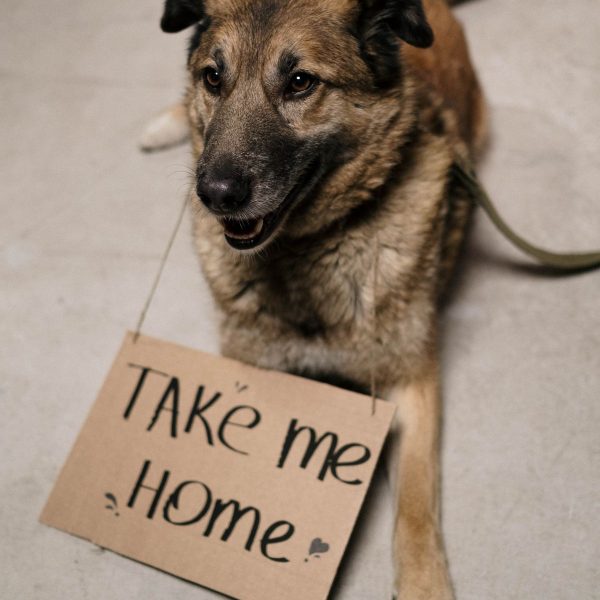
Shelters and rescue groups work across borders to find homes for animals. Adoption forms, home checks, health summaries and transport plans must be understood by adopters and volunteers. Use warm, honest language, and describe behaviour realistically so that families know what to expect. Photos and stories on websites should be translated with the same attention, since trust is the basis of every successful adoption.
Zoos, wildlife and research
Zoos and research groups exchange animals, data and expertise. Studbook entries, transfer agreements, veterinary protocols and scientific papers need exact species names and terms. Latin names remain the shared reference, and local names should be added with care. Texts for visitors, such as signs and guides, should be simple and friendly. Conservation messages work best when they are clear, accurate and free of sensational claims.
Practical tips for pet owners
Make a checklist of papers before travel: passport, microchip number, certificates, insurance and the contact details of your vet at home and at the destination. Carry translations of key records, and ask your vet to explain special needs in plain words. Allow extra time for formalities, and book transport that respects the comfort of your animal. Calm preparation makes a big difference for pets and owners alike.
Working dogs, horses and livestock
Guide dogs, police dogs, sport horses and farm animals have documents of their own. Training certificates, performance records, ownership papers and transport permits all carry names, dates and numbers that must stay exact. Horses often have a passport with identification drawings and treatment records, and livestock moves under strict health rules. Translators should ask for the purpose of the document, since the right terms depend on whether the animal is a companion, an athlete or part of a farm.
Where to read more
For a neutral explanation of the document that allows pets to cross borders, see the Wikipedia article on the pet passport, which describes its purpose and the rules that apply in different regions.